Marble Tile vs Ceramic Tile: Which is Better for Your Business?
The advantage of consulting with professionals in commercial floor cleaning services instead of providers is that you’ll touch base with experts who have first-hand knowledge and experience. Truly, aesthetics is essential for a business, but so is choosing the right material for performance, maintenance, and long-term value. This guide compares marble and ceramic tile, enabling you to make an informed decision based on your business goals, budget, and maintenance expectations.
Choosing the Right Tile for Commercial Spaces
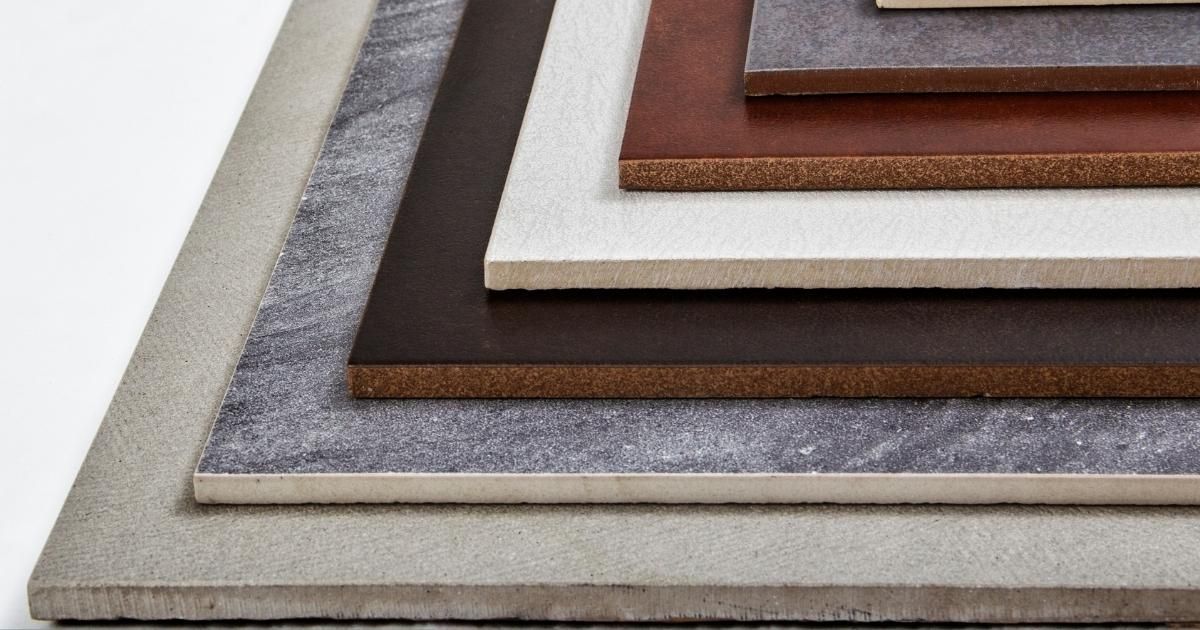
Both ceramic and marble floors have distinct advantages. The best material choice for your business depends on traffic levels, maintenance requirements, and image preferences. Balance form with function to be most satisfied with your investment.
Marble floors will upscale spaces such as salons, boutiques, and executive offices. While they are luxurious, they do require ongoing care to prevent scratches and stains. Ceramic tile is a practical option for busy retail stores, restaurants, and medical offices due to its ability to resist moisture, cracking, and heavy traffic.
Understanding how marble floors differ from ceramic in terms of durability, appearance, maintenance, and cost helps you make an informed choice.
Durability and Longevity Comparison
Ceramic tile is a durable material that’s resistant to scratches, moisture, and heavy wear, making it an ideal choice for businesses with heavy foot traffic. While marble stone flooring is very strong (lasting 50 years or more), it can become stained or etched when not properly sealed and cleaned. The natural stone veining in marble flooring adds sophistication to a space and increases its value. Ceramic tile can be fabricated to resemble marble, but nothing beats the elegant beauty of marble floors. Depending on the quality, ceramic tile can last between 20 and 50 years.
When comparing marble vs ceramic tile flooring, marble offers elegance and long-term value. In contrast, ceramic is engineered for resilience and requires less maintenance, making it the flooring of choice for high-traffic commercial spaces.
Maintenance and Cleaning Requirements
Both marble and ceramic tile floors can make your business space beautiful when maintained properly. The maintenance and cleaning requirements of marble vs ceramic tile vary widely.
Marble flooring requires routine sealing to protect it from stains, moisture, and scratches due to its porosity. A pH-neutral, non-abrasive cleaning solution must be used for regular mopping of marble, as harsh cleaners will etch or dull the surface. Spills must be quickly wiped up to prevent stains that could affect maintenance time and future care costs.
Ceramic tile is significantly easier to maintain. Staff can easily clean the floor because ceramic is resistant to moisture, stains, and most cleaning products. Fewer maintenance requirements could be the deciding factor for many businesses with high-traffic areas.
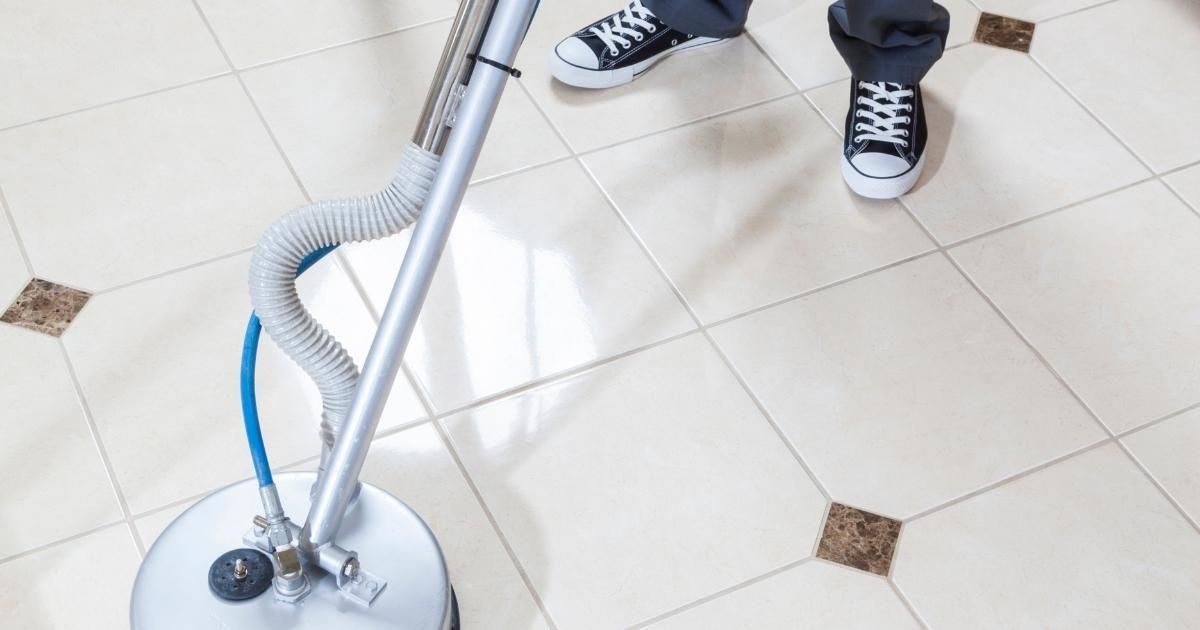
Investing in commercial floor cleaning services from Hemingway’s will help your business in Myrtle Beach and the surrounding areas preserve your ceramic or marble flooring investment for years to come.
Cost and Installation Considerations
Cost plays a major role when choosing between marble and ceramic tile for your business.
Marble Flooring:
- Higher material costs
- Increased marble floor tile installation costs due to skilled labor and sealing
- Ongoing expenses for sealing and specialized cleaning
Ceramic Flooring:
- More affordable materials
- Lower installation costs
- Minimal long-term maintenance expenses
While marble offers luxury and long-term value, ceramic provides cost predictability and budget-friendly performance—especially for high-traffic commercial spaces.
Is Marble or Ceramic Tile Better for High-Traffic Areas?
Here’s a quick look at the marble vs ceramic tile flooring pros and cons:
| Marble Flooring | Ceramic Flooring� | |
|---|---|---|
| Pros: | Luxurious, high-end appearance | More affordable installation & Maintenance |
| Lasting 50+ years with proper care | Strong resistance to cracks, stains, and moisture | |
| Enhances brand perception in upscale spaces | Many slip-resistant finishes are available. | |
| Easier to maintain | ||
| Cons | Higher price for materials & installations | May not offer the same luxury appeal as marble floors |
| Requires sealing and specialized cleaning | Shorter lifespan than well-maintained marble | |
| Slippery when polished and wet |
Overall,
ceramic, due to its durability, maintenance requirements, and slip resistance, is often the flooring material of choice for high-traffic areas such as restaurants, medical offices, and retail stores. Marble would be a better choice for businesses that prioritize aesthetics and have moderate foot traffic.
Choose the Right Tile—and Protect Your Investment
Marble floors are luxurious, long-lasting, and will level up your brand appeal, but are more expensive to purchase, install, and maintain. Ceramic floors are durable, easy to maintain, and less expensive, but they do not match the high-end beauty of marble.
When weighing the pros and cons of marble vs ceramic tile flooring, your decision should consider the balance between appearance, safety, maintenance requirements, and property value. High-end establishments will value the aesthetics of marble. Busy establishments will have beautiful ceramic floors that are easy to maintain.
No matter what type of flooring you choose for your business, know that
Hemingway’s Floor Cleaning services will maintain the strength and beauty of your ceramic or marble floors. As a trusted local floor cleaning business in Myrtle Beach, we serve Longs, North Myrtle Beach, Loris, Conway, Little River, and Calabash with top-tier commercial floor cleaning services.
Contact our team today for professional maintenance advice and long-term floor protection you can rely on.