Professional Tile and Grout Cleaning vs. DIY: What Homeowners Get Wrong (and Why It Matters)
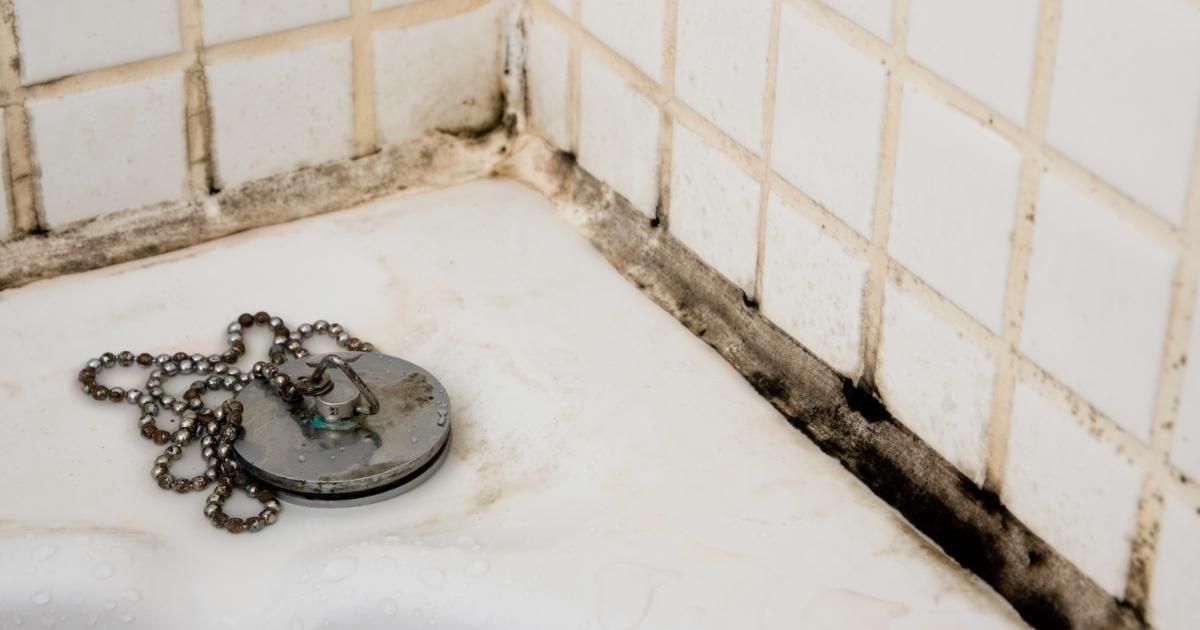
Most homeowners start thinking about Grout Cleaning & Restoration once the lines between their tiles have gone several shades darker than they started. By that point, a Saturday with a stiff brush and a bottle of bleach feels like the obvious fix. But the real question behind professional tile and grout cleaning vs DIY isn't whether scrubbing works. It's what all that scrubbing does to the grout, the tile, and the surfaces around them along the way.
In this article:
• Common DIY Grout Cleaning Mistakes
• How Do Professionals Clean Grout?
• Why Professional Cleaning Protects the Entire Installation
•
How Should You Clean Different Countertop and Grout Types Between Professional Cleanings?
Grout Needs Different Care Than Tile and Countertops
Glazed tile has a sealed face. Cement-based grout doesn't. It's porous by design, full of microscopic channels that pull in water, soap film, cooking grease, and foot traffic soil. That's why a floor can look clean while the grout lines still read dirty. The residue isn't sitting on the surface. It's absorbed into it.
That difference matters because grout rarely exists on its own. It runs between shower tile, across backsplashes, and around tiled counters, so whatever you use on the grout also lands on the surrounding material. Bleach that dulls a sealer, or an acidic cleaner that etches stone, can leave the grout brighter and the installation worse off. Good grout cleaning services account for that, because the right approach depends on the material next to the grout as much as the grout itself.
It's also worth knowing what you actually have. Countertop materials vary widely in how they tolerate cleaning products, and the countertop types in a single kitchen may not all respond the same way to the same bottle under the sink.
Common DIY Grout Cleaning Mistakes
Most DIY grout damage comes from a handful of habits that seem reasonable in the moment:
- Repeated bleach or harsh chemicals. Occasional use is one thing. A regular bleach routine can break down sealers over time and may discolor colored grout.
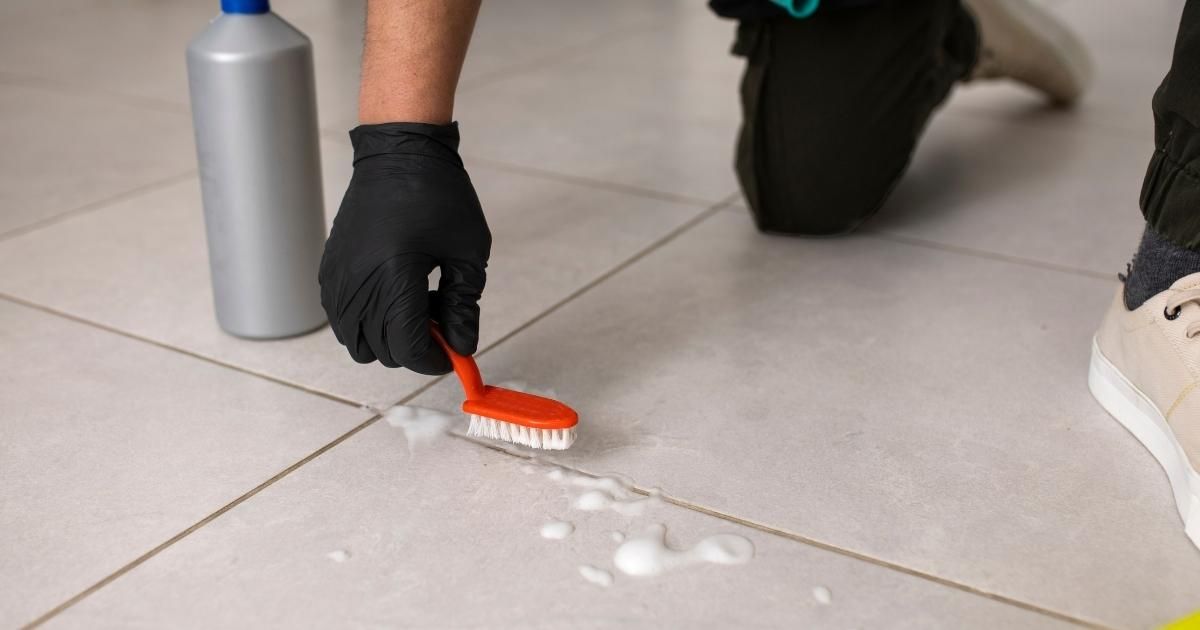
- Wire brushes and aggressive scrubbing. Grout is softer than the tile beside it. Metal bristles and heavy pressure can wear away the surface, leaving lines that trap soil faster than before.
- Too much water. Flooding a floor pushes moisture deeper into porous grout, where it can linger and encourage buildup underneath.
- Whitening without cleaning. Whitening products and grout pens cover embedded soil rather than removing it, so the problem stays put under a fresh coat.
- Skipping sealing. Cleaning opens up the grout's pores. Leaving it unsealed means it starts absorbing again right away, which is why grout cleaning and sealing are usually handled as one job rather than two.
The collateral risk is the part homeowners tend to miss. Harsh methods can affect sealers, natural stone, metal trim, and nearby finishes. Any reputable grout cleaner company will ask what those surfaces are before choosing a product.
How Do Professionals Clean Grout?
So how do professionals clean grout differently? Mostly by making the decisions before any cleaner comes out of the truck.
- Inspect first. Grout type, age, sealer condition, and the extent of staining all change the approach. Epoxy grout and cement-based grout don't behave alike.
- Match the cleaner to the whole surface. The product has to be safe for the tile or stone around the grout, not just effective on the grout.
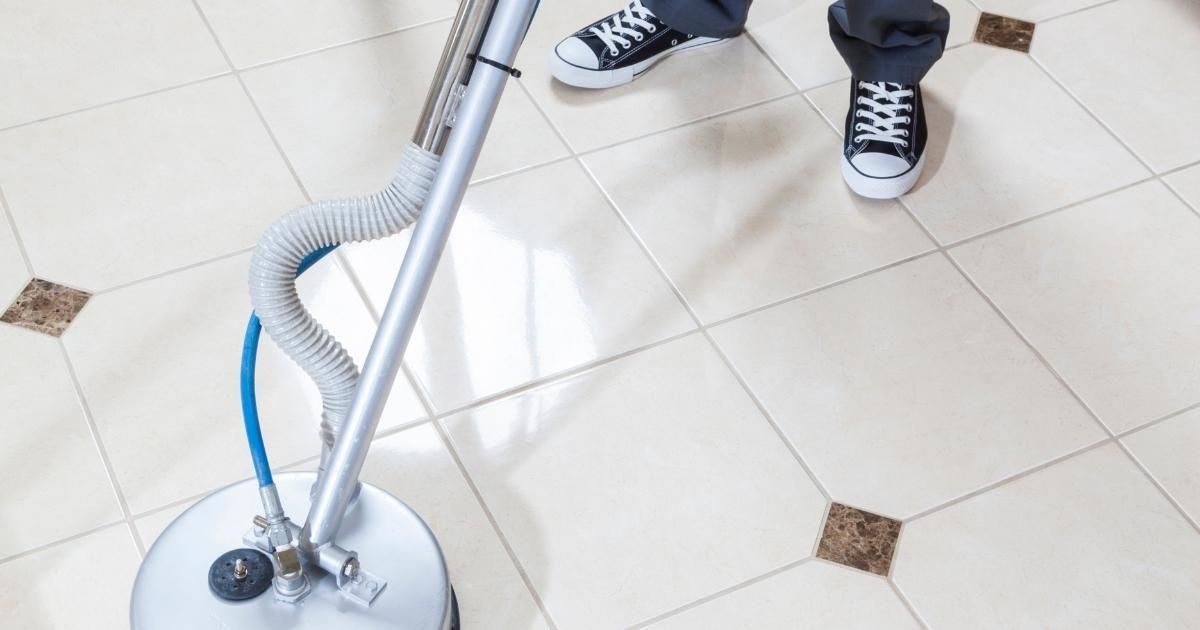
- Lift the soil mechanically. Professional equipment uses controlled heat, pressure, and extraction to pull embedded residue out of the pores instead of pushing it around.
- Rinse and extract residue. Leftover cleaning solution attracts new soil, so removing it matters as much as applying it.
- Seal when appropriate. Sealing isn't automatic. It depends on the grout type and condition, and timing matters.
Experienced
tile and grout cleaning companies treat that inspection step as the actual skill. The equipment helps, but knowing what not to use on a given installation is what protects it.
Why Professional Cleaning Protects the Entire Installation
Looking at professional tile and grout cleaning vs DIY over a longer stretch of time, the value isn't only a brighter floor on the day of service. Reducing embedded soil and moisture buildup may help protect the grout from ongoing deterioration, and properly timed grout cleaning and sealing can extend the life of the surface.
It also reaches the parts of a home that get overlooked, like shower walls, backsplashes, entry floors, and tiled counters that see daily spills. Mixed installations are common, and a room that combines tile and granite needs two different product decisions in the same square footage. That's the case against one-size-fits-all cleaning. The method should follow the material, not the other way around.
How Should You Clean Different Countertop and Grout Types Between Professional Cleanings?
Different types of countertops in the same home can call for different routines, and why stone counters run on their own resealing schedule. Between services, gentle and consistent beats occasional and aggressive. Some general guidance, keeping in mind that specifics depend on the material:
- Wipe spills quickly, before liquid has time to reach grout lines and absorb.
- Use mild, non-abrasive cleaners on ceramic and porcelain tile.
- Use pH-neutral stone products on granite, marble, and quartzite.
- Avoid vinegar, bleach, and abrasive scrubbers on natural stone, since acids can etch polished finishes.
- Clean epoxy grout gently. It's less porous than cement-based grout, but it still collects surface residue.
- With cement-based grout, control moisture and reseal when your installer or service provider recommends it.
- Follow manufacturer guidance for your specific countertop types and countertop materials, since warranties often specify approved products.
One point of confusion worth clearing up: how to clean quartzite countertops is a separate question from how to clean the grout around quartzite. The slab wants a pH-neutral stone cleaner, while the grout lines may need a different product entirely. That's exactly why different types of countertops in the same home can call for different routines.
For embedded stains, a worn sealer, or discoloration that's uneven across a floor, that's the point to bring in help rather than escalate the chemicals.
Clean Grout Helps Protect the Whole Surface
Harsh DIY methods tend to trade a short-term result for long-term wear. Faded grout, compromised sealers, and etched stone all cost far more to correct than they did to clean. Proper cleaning followed by appropriate sealing takes the opposite approach, addressing what's actually in the grout while protecting everything around it.
For homes and businesses in the Myrtle Beach, Conway or Grand Strand area, professional grout cleaning is a great way to refresh your space and Hemingway's is just a call away!
If your grout lines have stopped responding to regular cleaning,
contact Hemingway's Floor Cleaning about Grout Cleaning & Restoration and get an approach matched to your surfaces.